
Durable Denim for Dads Who Love the Outdoors
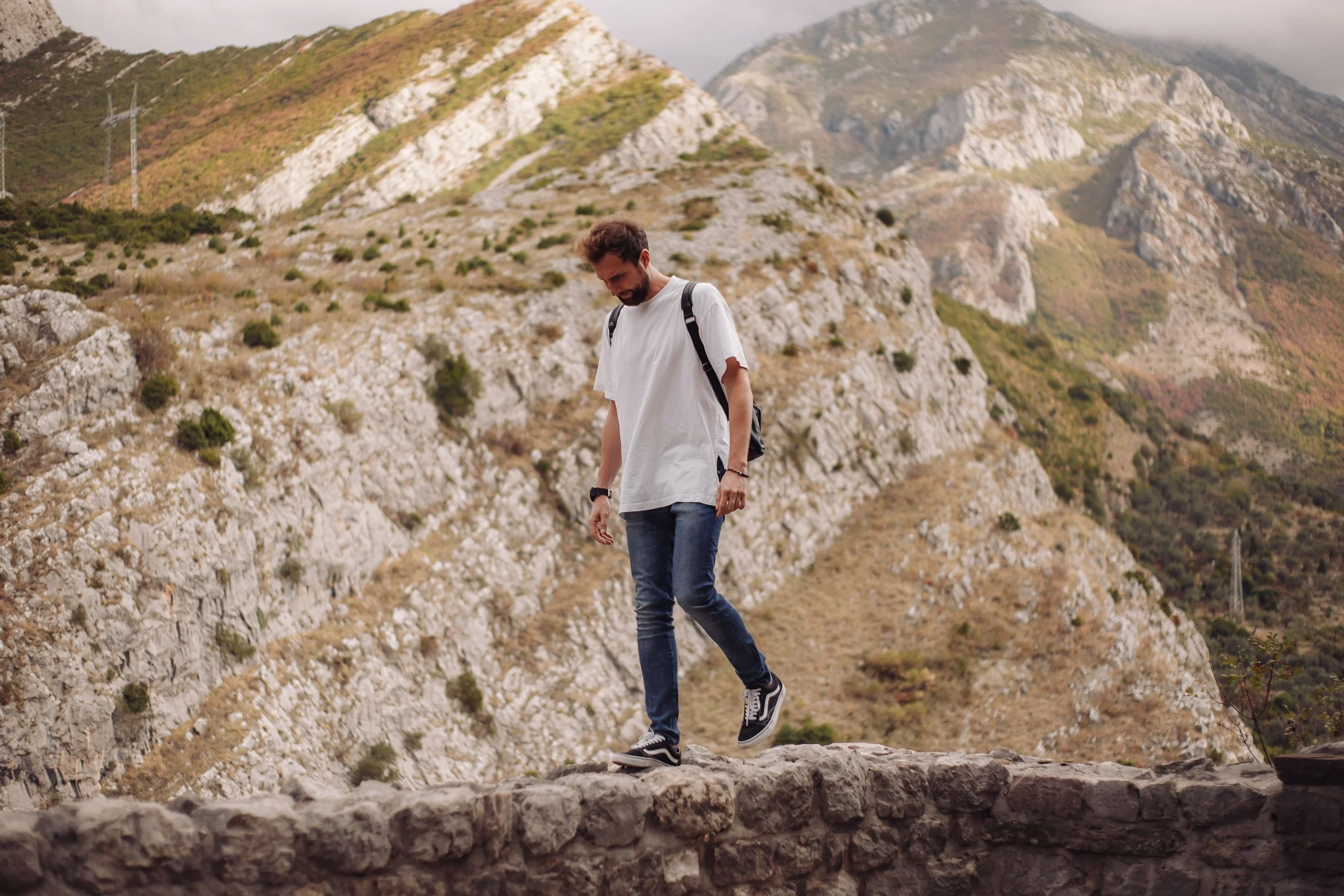
Outdoor activities put everyday clothing through repeated stress. Hiking local trails, camping with family, fishing, and tackling weekend projects all require pants that can handle friction, movement, and regular wear. For dads who value practical clothing, durable denim offers a versatile option.
The key is choosing jeans based on construction, fit, fabric composition, and intended use. Standard denim works well for casual activities, while performance-oriented designs can provide better mobility and storage. Understanding these differences helps dads find jeans suited to their outdoor routines.
What Makes Denim Durable?
Traditional denim is a woven cotton fabric recognized by its diagonal twill pattern. Its durability depends on yarn quality, weave density, stitching, and overall construction. Fabric weight matters, but heavier denim is not automatically stronger or more comfortable.
For outdoor use, look for these features:
Fabric composition: Cotton offers a familiar denim feel. Small amounts of elastane or spandex can improve stretch and mobility.
Seam construction: Reinforced stress points help prevent premature failure around pockets, the seat, and the crotch.
Pocket design: Deep, accessible pockets provide practical storage for everyday essentials.
Fit: Adequate room through the thighs and seat makes squatting, climbing, and bending easier.
Hardware: Reliable buttons, rivets, and zippers contribute to long-term usability.
These details matter when assembling camping gear, maintaining a backyard, or spending an active weekend with the family.
Why Tactical Jeans Suit Active Dads
Regular jeans are primarily designed for casual wear. Tactical jeans take a function-focused approach, often incorporating additional pockets, reinforced areas, and flexible fabrics. Their exact features vary by model.
For dads who move between errands, DIY projects, and outdoor recreation, tactical jeans can provide a practical alternative to conventional denim. They maintain a familiar casual appearance while offering storage for items such as phones, keys, flashlights, and multitools.
Pocket placement deserves attention. Compartments should hold everyday items securely without creating excessive bulk or restricting movement. Check whether the layout suits what you regularly carry.
Fit is equally important. Tight jeans can restrict hip movement and place additional strain on seams during deep squats. Excessively loose fabric may snag on brush or equipment. Choose a fit that allows natural movement without unnecessary material.
Choosing Denim for Outdoor Activities
Different activities place different demands on clothing. A pair suited to a backyard project may not be comfortable on a long hike in humid weather.
For camping and casual recreation, denim works well for setting up equipment, sitting around camp, and completing light tasks. For yard work, prioritize sturdy seams and enough room to bend or kneel. For fishing or lakeside outings, consider how the fabric performs if it becomes wet.
Long hikes require more careful selection. Cotton absorbs moisture and dries relatively slowly compared with many synthetic fabrics. Wet denim can become heavy and uncomfortable, particularly during strenuous activity.
Before choosing outdoor pants, consider:
Temperature, humidity, and expected rainfall.
Exposure to mud, water, and rough surfaces.
Distance traveled and intensity of movement.
The need for quick-drying performance.
These factors help determine when denim is appropriate and when technical hiking pants are a better choice.
Fabric Performance and Weather
Durability is only one part of outdoor clothing performance. Breathability, moisture management, and drying time also affect comfort.
The REI guide to choosing hiking clothes explains why moisture-wicking fabrics are often preferable for strenuous hikes. This is especially relevant in humid conditions or on routes involving steep climbs and unpredictable weather.
For moderate activities in dry conditions, stretch denim can balance comfort and abrasion resistance. Lightweight nylon or polyester hiking pants may provide better ventilation and faster drying in hot weather. In cooler conditions, suitable base layers can add warmth without requiring excessively heavy jeans.
How to Maintain Outdoor Denim
Proper care helps extend the life of jeans. Dirt and grit contribute to abrasion, while excessive heat can affect garment dimensions and elastic fibers. Follow the manufacturer's washing instructions.
Use these maintenance practices:
Turn jeans inside out before washing to reduce surface abrasion and fading.
Use a suitable detergent and avoid unnecessarily aggressive wash cycles.
Inspect seams, belt loops, pocket corners, and hems for early damage.
Repair loose stitching before it develops into a larger tear.
Air-dry when practical, especially when jeans contain stretch fibers.
After muddy outings, remove heavy dirt before washing. Let jeans dry completely before storing them to help prevent unpleasant odors.
Finding the Right Pair
The best outdoor denim combines reliable construction with a fit suited to your activities. Consider fabric composition, reinforcement, pocket placement, and freedom of movement rather than appearance alone.
For dads balancing family outings, home projects, and casual outdoor activities, well-designed jeans can serve several purposes. Tactical styles offer additional utility, while conventional denim remains suitable for everyday wear.
Choose denim for appropriate conditions and switch to quick-drying technical pants when the weather or terrain demands it. With the right selection and regular maintenance, durable jeans can remain a dependable part of an active dad's wardrobe.