
Car Styling Trends That Are Quietly Taking Over Streets And Car Meets
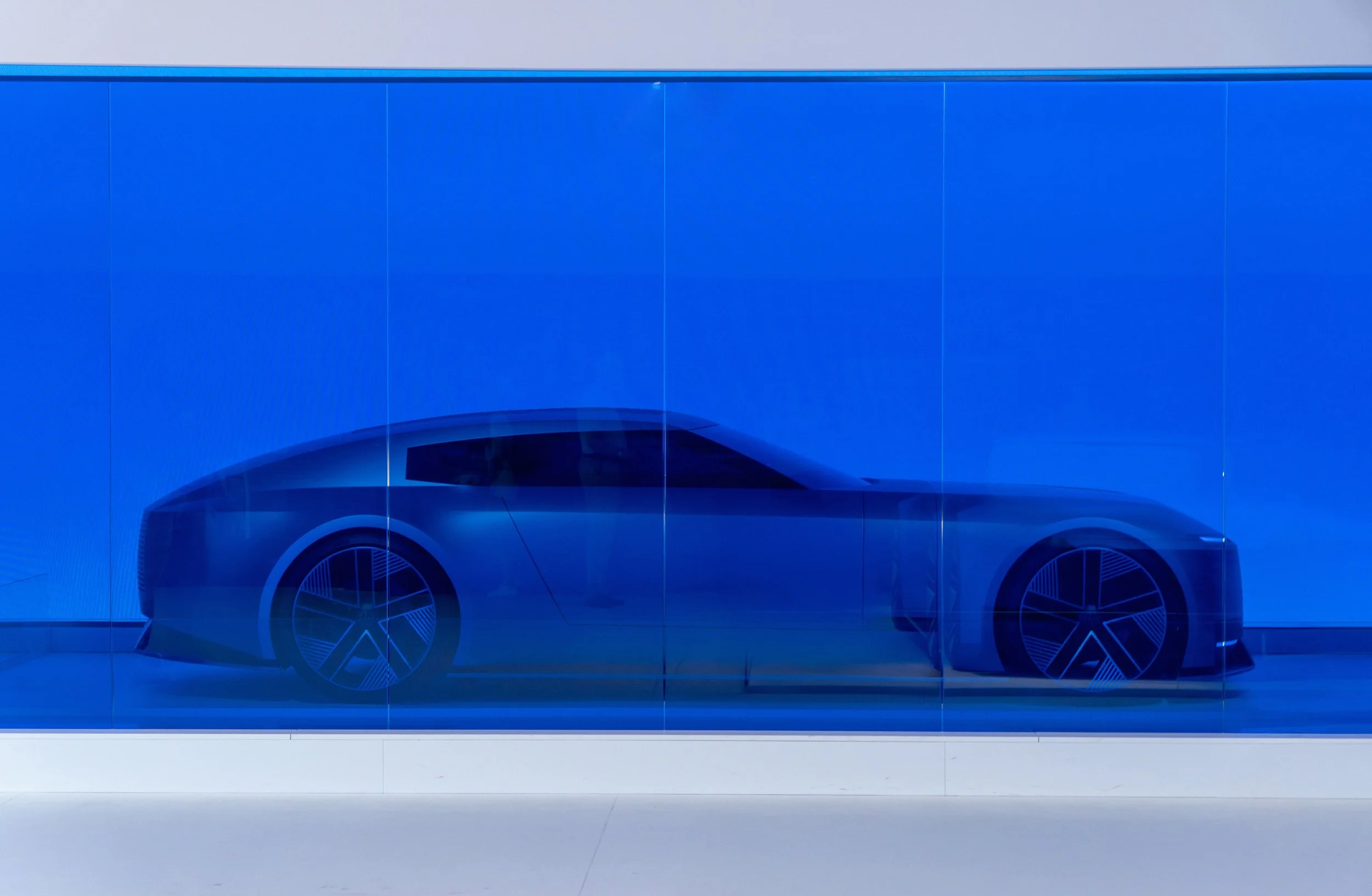
Modern car meets and everyday parking lots show a clear shift in exterior styling. Thin multi-spoke wheels, reduced wheel gap, and blacked-out trim are appearing across many builds. Factory sport packages from major manufacturers helped normalize these visual cues, and the aftermarket now mirrors that direction with parts designed to match modern body lines and finishes.
Daily-driven cars require styling choices that hold up against potholes, weather exposure, and regular washing. Owners increasingly focus on fitment accuracy, durable finishes, and subtle exterior components that follow factory contours. When wheels, stance, trim, and paint complement each other correctly, the vehicle presents a balanced appearance from every angle without relying on exaggerated modifications.
Wheel Design Trend
Thin multi-spoke and split-spoke wheels are appearing on more performance builds because they make the car look lighter and more technical. Sizes in the 20–22 inch range are common on modern sedans, coupes, and SUVs, since the larger diameter fills wheel arches and reduces the “empty” look around the tires. Lower sidewall tires tighten the profile and highlight the brakes and fender lines.
Finish choice also shapes the clean look. Premium brushed and satin options from Vossen Wheels often match factory performance trims, helping wheels blend with the original design. Correct offset and width still matter, since aggressive setups can rub or poke if measurements are wrong. A well-chosen wheel package can make a stock car look noticeably upgraded before other exterior changes.
Lowered Street Stance
Ride height changes are one of the easiest styling cues to spot at car meets because the factory wheel gap disappears. Height-adjustable coilovers let owners lower the car while keeping the suspension usable for commuting and errands. A moderate drop allows the body to sit tighter over the wheels and gives the profile a more performance-focused appearance.
Alignment keeps the setup practical long term. Mild negative camber helps the tires sit cleanly under the fenders, but it must be paired with a precise alignment to avoid uneven wear. Stable highway tracking is important on cars running lower sidewalls and wider setups. A properly dialed-in stance noticeably changes how the vehicle looks from the curb.
Dark Trim Styling
Gloss and satin black trim pieces are a common upgrade when a car still has bright chrome around windows and grilles. Window surrounds, grilles, mirror caps, and badges in black often match factory sport packages, so the update looks OEM-adjacent rather than like an add-on. The darker finish draws attention to body creases and edges, making simple designs appear more defined.
Ceramic window tint in the 20–35 percent range is often paired with black trim because it deepens the glass without making the cabin overly dark. Quality film keeps interior visibility clear and helps reduce glare, which matters for daily-driven cars. Clean fit and edge work separate a polished result from a messy one, so tight seams and even coverage matter.
Clean Body Additions
Subtle aero parts are becoming the safer choice for a clean build, especially on newer cars with strong factory styling. A front lip, low-profile side skirts, and a small trunk spoiler can extend the original lines without changing the car’s proportions. The best-looking setups tend to sit tight to the body, with consistent gaps and mounting points that don’t look like an afterthought.
Rear-end design gets the biggest payoff when parts match the bumper’s exact contours. Model-specific diffusers help the lower bumper look finished and can frame the exhaust outlets so everything sits more evenly. Materials and finish matter too, since mismatched gloss levels can make a car look pieced together. Picking two or three parts that share the same style cues keeps the car looking intentional from up close.
Detail-Driven Finish
Swirl marks and light scratches show up quickly under parking lot lights, especially on darker finishes like Obsidian Black or Daytona Grey. Paint correction has become a go-to step because it levels out that hazy look and brings back sharp reflections that basic washing can’t restore. Once the surface is corrected, panels look clearer and body lines read cleaner from a few steps away.
Ceramic coatings are popular because they add slickness and help dirt release faster during regular washes, which matters on cars that rack up real miles. The same “kept” look depends on small areas too, like clean headlight lenses, tidy trim edges, and brake calipers that aren’t caked in dust. Keeping those details consistent makes the car look professionally prepared without needing a trailer to get there.
A clean, balanced build usually comes down to getting a few fundamentals right. Wheels that properly fill the arches, a moderate suspension drop set with coilovers and a precise alignment, and dark trim in place of chrome can immediately sharpen a car’s appearance. Subtle additions like front lips, side skirts, spoilers, and model-specific diffusers extend factory body lines without changing the vehicle’s proportions. Paint correction and ceramic coatings then refine the finish and keep surfaces looking clear after regular driving and washing. Start with one area that stands out most on your car, refine it carefully, and build the rest of the upgrades around that foundation.