
Do Chicken Tenders Have Bones?
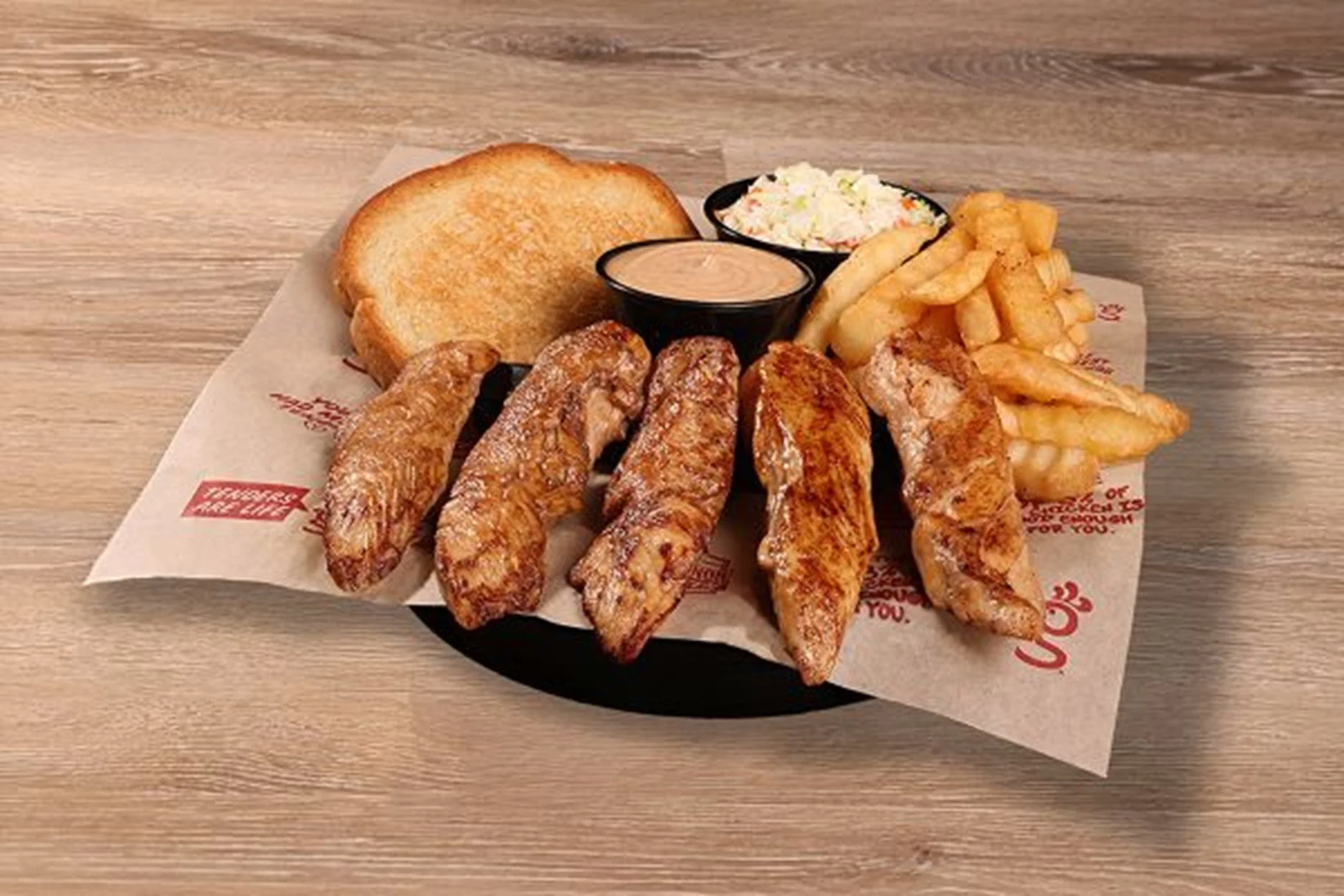
Do chicken tenders have bones? The answer is simple: No, authentic chicken tenders do not have bones. Since they come from a single muscle rather than from a larger cut of meat, chicken tenders are boneless and deliciously tender, just like their name says. While they often get confused with menu items such as strips or nuggets, chicken tenders have their own unique quality, flavor, and texture. These features have made them a favorite for generations.
Chicken tenders have earned such a strong reputation that some restaurants have dedicated their entire menus to these tasty bites, like Huey Magoo’s Chicken Tenders, home of The Filet Mignon of Chicken®, a.k.a. real chicken tenders made only from the tenderloin. Let’s take a closer look at what makes this popular menu item such a favorite. From the perfect boneless cut of chicken to all the ways you can customize, here’s why so many people love chicken tenders.
True Chicken Tenders: Texture and Flavor
This all started with a simple question: Do chicken tenders have bones? A true chicken tender is made from the tenderloin, a boneless, narrow strip of white meat located beneath the chicken breast. Since it is its own individual muscle, it separates naturally from the breast during processing. It’s not the same as chicken breast that has been sliced into long pieces.
While both come from white meat, they differ in both structure and texture. The tenderloin has finer muscle fibers, for a naturally softer bite. Simply cutting breast meat into strips doesn’t turn it into a true chicken tender! Even before seasoning or cooking begins, the tenderloin already possesses qualities that set it apart from every other cut.
Its size also contributes to its appeal. The boneless tenderloin cooks evenly while maintaining its naturally juicy texture, allowing its mild flavor to shine. It can also be the perfect complement to whatever flavor profile you cook it with, whether you’re going for spicy, tangy, or sweet.
The Tender Compared to Other Popular Chicken Cuts
Once you know that chicken tenders do not have bones, you might start to compare them with other menu items, some of which we mentioned above.
The chicken breast is one of the most commonly served cuts because of its size and versatility. It is a larger piece of white meat that can be cooked whole, sliced, shaped, or diced for a variety of meals. Breast meat has a firmer texture than the tenderloin, so it does not naturally provide the same delicate bite.
Chicken strips and chicken fingers describe the shape more than the cut itself. In many cases, these pieces are simply sliced from the breast rather than taken from the tenderloin. While they may appear similar to tenders on the plate, their texture can be noticeably different because they come from a larger, firmer muscle.
Chicken nuggets offer another distinct option. Unlike whole-muscle tenderloins, nuggets are typically many different cuts of meat that have been processed and shaped into small, bite-sized pieces. That’s how you’re able to get so many fun shapes of nuggets, like dino nuggets or smiley faces.
Another restaurant favorite, wings are easy to distinguish because they do contain bones and include the skin. They have a completely different texture and flavor profile. Thighs are dark meat with more marbling, producing a richer taste and a slightly denser bite than white meat.
Each cut has its own strengths, but authentic chicken tenders remain unique because they combine the convenience of being naturally boneless and having the perfect shape with a light texture that can only come from the tenderloin.
Preparation
Quality chicken tenderloins can elevate a fast-casual meal by putting the emphasis on the quality of the chicken itself. Since the tenderloin is naturally tender, the goal is not to change its texture, but to preserve it. Careful handling, consistent sizing, and thoughtful cooking techniques help maintain the qualities that make this cut so distinctive. Proper cooking can create a crisp exterior when breaded or a lightly charred finish when grilled, while the inside remains moist and flavorful. The combination of tenderness, flavor, and texture also makes chicken tenders versatile enough to work well in many different types of meals and preparations.
Tenders can be enjoyed on their own, of course, but also served on a sandwich with personalized toppings. They may be used in wraps filled with greens, vegetables, shredded cheese, and a choice of dressing or sauce, all wrapped in a soft flour tortilla. Breaded and grilled preparations provide even more variety, allowing the same cut of chicken to take on different flavors and textures, depending on how it is served.
Chicken tenders can also add satisfying texture and protein to salads filled with crisp greens, fresh vegetables, cheese, and other complementary ingredients. A meal can be rounded out with familiar sides such as fries, chips, coleslaw, toasted bread, or a small side salad, with a cookie or another sweet treat for dessert. Dipping sauces and dressings provide even more opportunities for variety, giving diners plenty of ways to customize each meal without overpowering the chicken tender’s natural flavor.
Why Chicken Tenders Stand Out
Although each cut has its own place on a menu, the tenderloin offers a combination of tenderness, consistency, and convenience that few others can match. Its naturally soft texture and boneless structure make it easy to enjoy in a variety of meals. Unlike wings and thighs, there are no bones to work around, and unlike processed options, the tenderloin remains an intact muscle with its own distinctive character and flavor. That unique combination has helped make authentic chicken tenders a favorite for families, casual meals, and countless menu creations.