
How To Choose The Right Upholstery Cleaning Method
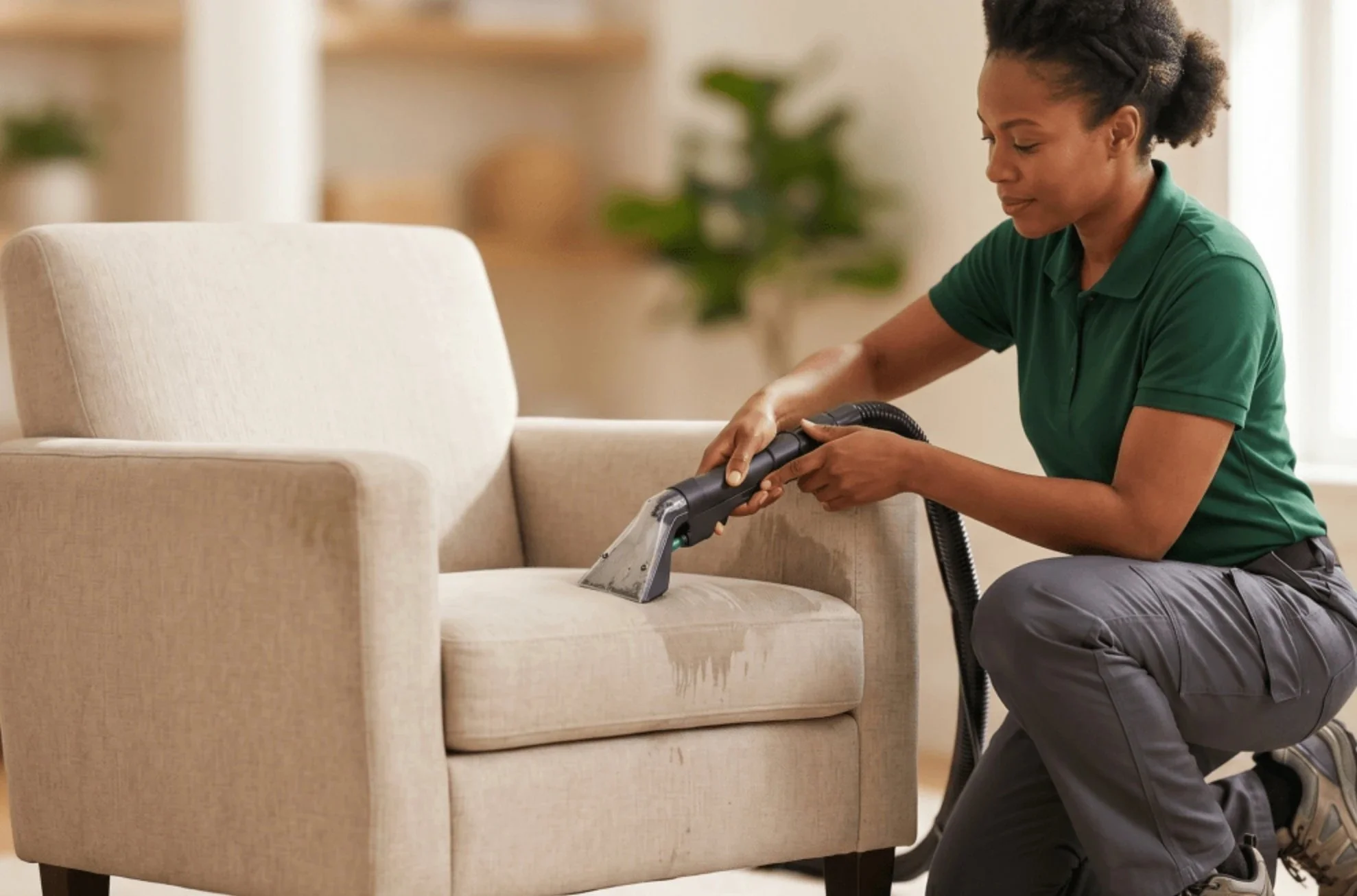
A stained couch can make almost any cleaning product look tempting. But the wrong cleaning method can cause more damage than the original spill. Water can leave rings on certain fabrics, strong detergents can affect dyes, and excessive moisture can soak into cushions that take hours to dry.
For parents, this creates a common problem. The furniture needs cleaning, but there is rarely time to research every product before dealing with spilled juice, muddy shoes, or an accident involving the family pet.
The good news is that choosing the right upholstery cleaning method does not have to be complicated. It starts with understanding the fabric, checking the manufacturer's instructions, and knowing which problems require professional attention.
For example, homeowners dealing with stubborn stains or delicate furniture can consult an upholstery cleaner from Orlando such as Pink Upholstery Cleaning. The local company specializes in fabric upholstery care and is led by an IICRC-certified Upholstery and Fabric Cleaning Technician. This type of training is particularly valuable when furniture requires more than routine surface cleaning.
Why Upholstery Fabric Determines the Cleaning Method
Not every upholstered sofa responds to cleaning in the same way. Two couches might look nearly identical but require completely different treatments because of their fiber composition, dye stability, or construction.
Polyester and other synthetic fabrics are commonly used in family furniture because they can offer good durability and resistance to everyday wear. Many tolerate water-based cleaning, although the manufacturer's instructions still determine which products are appropriate.
Natural fibers present different challenges. Cotton and linen can absorb moisture readily, which increases the possibility of water marks, shrinkage, or changes in texture. Wool upholstery may require specialized cleaning agents, while silk is particularly sensitive to moisture and chemical treatments.
Even furniture made with synthetic fibers can be difficult to clean. Some microfiber finishes develop visible marks when exposed to water, and certain upholstery dyes can bleed when treated with an unsuitable solution.
The Institute of Inspection, Cleaning and Restoration Certification explains that natural and synthetic upholstery materials often require different cleaning approaches. Identifying the fabric before treatment helps reduce the possibility of permanent damage.
The most important rule is simple. Never select a cleaning product based only on how the furniture looks.
Understanding Upholstery Cleaning Codes
Many upholstered furniture pieces have a cleaning label attached underneath the seat cushions or along the bottom of the frame. This label often contains a letter indicating which cleaning methods the manufacturer recommends.
These codes help homeowners understand whether water-based products are appropriate or whether the furniture requires a more specialized approach.
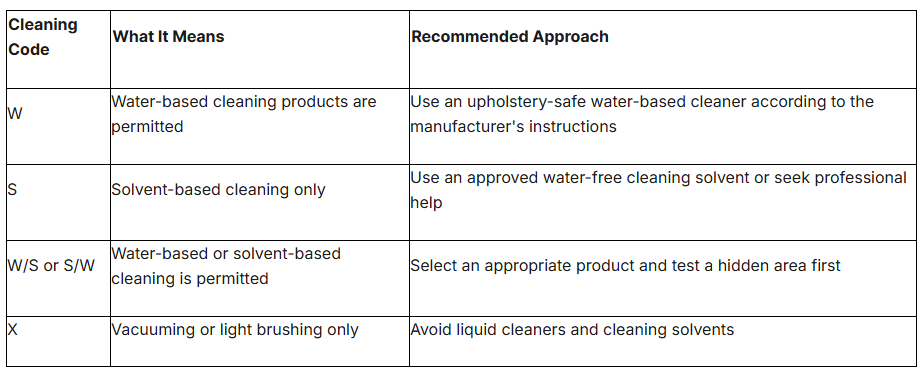
The cleaning code is a starting point, not a guarantee that every product within that category is safe.
For example, a couch labeled W may tolerate water-based cleaning but still develop discoloration if a strong detergent is used. A W/S label also does not mean that mixing several cleaning chemicals is acceptable.
If the label is missing, check the manufacturer's website or contact the furniture retailer. When the fabric cannot be identified, avoid experimenting with multiple products.
Which Upholstery Cleaning Methods Work Best
There are several ways to clean upholstered furniture, and each has a different purpose. The appropriate method depends on the fabric, the type of contamination, and how deeply the dirt has penetrated.
Vacuuming and Dry Soil Removal
Vacuuming is the least invasive way to maintain most upholstered furniture. It removes loose debris before it becomes embedded in the fabric.
Use an upholstery attachment and work across the seating surfaces, cushion edges, and seams. A crevice attachment is useful for removing crumbs from areas that are difficult to reach.
Pay attention to the spaces between cushions and the back of the sofa. Dirt that accumulates in these areas can transfer back onto cleaned surfaces during everyday use.
Regular vacuuming is particularly helpful for homes with pets because it removes loose hair and some of the particles that collect on furniture.
However, vacuuming cannot remove body oils, dried spills, or stains that have penetrated the upholstery.
Spot Cleaning
Spot cleaning is intended for isolated stains rather than cleaning an entire sofa.
The first step is to identify the source of the stain. Water-based spills, oily residues, and pet accidents can require different treatments.
For a fresh liquid spill, gently blot the affected area with a clean white cloth. Avoid scrubbing because friction can spread the stain or damage the fabric's surface.
Before applying any cleaner, check the furniture's cleaning code and test the product on a concealed section. Follow the product instructions and avoid saturating the material.
A stain that appears to disappear while wet may become visible again after drying. This can happen when residue remains in the fabric or moisture moves dissolved material toward the surface.
If repeated treatment does not improve the stain, stop cleaning. Additional applications can make professional removal more difficult.
Hot Water Extraction
Hot water extraction uses specialized equipment to apply a cleaning solution and remove it along with loosened dirt.
When performed correctly on compatible fabrics, the method can remove contamination that ordinary vacuuming and light spot cleaning cannot reach.
The main concern is moisture control. Upholstered furniture contains multiple layers, including fabric, padding, and sometimes materials that absorb water easily.
If too much moisture enters these layers, drying can take longer than expected. Excessive wetting may also contribute to water marks, dye migration, or unpleasant odors.
Professional equipment can provide controlled cleaning and extraction, but the method still needs to match the furniture's construction and care instructions.
Hot water extraction should never be treated as a universal solution for every sofa.
Low-Moisture and Solvent-Based Cleaning
Some fabrics require methods that limit the amount of water introduced during cleaning.
Low-moisture techniques may be appropriate when a fabric is sensitive to excessive wetting or when its construction makes moisture retention a concern.
Solvent-based cleaning is used for certain materials that cannot safely tolerate water-based products. These products require careful handling, suitable ventilation, and compliance with the manufacturer's directions.
For delicate or expensive furniture, professional assessment is often the safest option. The cost of repairing damaged upholstery can exceed the price of having it cleaned correctly.
How to Choose Between DIY and Professional Upholstery Cleaning
Not every stain requires an appointment with a cleaning company. Many routine maintenance tasks are manageable at home when the manufacturer permits them.
The challenge is recognizing when a problem extends beyond basic cleaning.
Consider professional upholstery cleaning in the following situations:
The stain keeps returning. Reappearing marks may indicate that residue remains below the fabric's surface.
The furniture has persistent odors. Pet accidents, spilled milk, and other organic substances can penetrate cushions and require treatment beyond surface cleaning.
The fabric is delicate or unfamiliar. Silk, wool, certain natural fibers, and specialty upholstery can react poorly to common household products.
Previous cleaning caused discoloration. Water rings, uneven color, or changes in texture suggest that additional treatment could increase the damage.
The entire piece is heavily soiled. Widespread body oils, accumulated dirt, and uneven staining are difficult to address through isolated spot cleaning.
The care instructions prohibit ordinary wet cleaning. Furniture with restrictive cleaning codes may need specialist attention.
Professional cleaning is not necessarily about using stronger chemicals. A qualified technician should inspect the material, evaluate its condition, test for colorfastness, and select a suitable process.
The IICRC's Upholstery and Fabric Cleaning Technician certification covers fiber identification, cleaning chemistry, spotting techniques, and potential problems associated with different fabrics.
These skills matter because successful upholstery cleaning involves protecting the material as well as removing dirt.
What to Check Before Hiring an Upholstery Cleaner
Choosing a cleaning company involves more than comparing the lowest advertised price.
Ask whether the technician has experience with your furniture's fabric and whether they inspect cleaning codes before beginning work. A qualified provider should be able to explain the proposed method and discuss possible limitations.
It is also worth asking how the company handles stain treatment. Some stains can be removed completely, while others may leave permanent discoloration or require specialized procedures.
Drying expectations are another important consideration, particularly in humid climates.
Homeowners can start by comparing local businesses through online directories. For example, Smarfle's Kissimmee upholstery cleaning directory provides local service listings and information that can help residents identify potential providers.
Reviews can offer insight into punctuality, communication, and customer satisfaction. However, they should be considered alongside a company's cleaning experience and ability to explain its process.
Before confirming an appointment, describe the furniture, its approximate dimensions, fabric type if known, and the main cleaning concern. Photographs can help a provider evaluate the job before arriving.
A clear explanation of the cleaning process is generally more useful than an unconditional promise to remove every stain.
Why Drying Matters After Upholstery Cleaning
One of the most overlooked parts of upholstery cleaning happens after the equipment is put away.
Moisture that remains in a cushion can create problems even when the surface feels relatively dry. Thick padding, limited air circulation, and humid indoor conditions may slow the drying process.
This is particularly relevant in Florida, where outdoor humidity can make opening windows less effective than running air conditioning or a dehumidifier.
The U.S. Environmental Protection Agency recommends keeping indoor relative humidity below 60%, ideally between 30% and 50%, to help control moisture-related problems.
After cleaning, maintain air circulation around the furniture and follow the technician's drying instructions. Fans and properly operating air conditioning can help when conditions permit.
Avoid sitting on the furniture, replacing protective covers, or placing cushions back in restricted spaces before they are completely dry.
Drying time varies depending on the fabric, cushion construction, amount of moisture used, extraction efficiency, and indoor conditions. A fixed drying-time promise cannot accurately describe every upholstery cleaning job.
If furniture develops a persistent musty odor after cleaning, investigate the source rather than covering it with fragrance.
Can the Wrong Cleaning Product Permanently Damage Upholstery?
Unfortunately, some cleaning mistakes cannot be reversed.
Bleach and other strong chemicals can remove or alter fabric dyes. Excessive scrubbing can damage the surface texture, while incompatible solvents can affect finishes, adhesives, or backing materials.
Household products are not automatically safe because they contain familiar ingredients. Vinegar, baking soda, dish detergent, and rubbing alcohol may be appropriate for certain situations but unsuitable for others.
One common mistake is applying a new cleaning product immediately after another treatment fails. Residual chemicals may interact, and the additional moisture can spread the original stain.
Another problem is using carpet cleaning products on upholstered furniture without checking compatibility. Carpet and upholstery can differ in fiber composition, construction, and moisture tolerance.
If a product causes an unexpected reaction, discontinue treatment and allow the area to dry under appropriate conditions. Document which products were applied so a professional can assess the situation.
For families with young children or pets, choosing a product also means following label directions concerning ventilation, contact with treated surfaces, and when the furniture can be used again.
Making Upholstery Cleaning Decisions That Protect Your Furniture
The best upholstery cleaning method is the one that matches the furniture rather than the stain alone.
Regular vacuuming handles loose debris. Careful spot cleaning can address many fresh spills. More extensive contamination may require professional equipment and specialized knowledge.
Fabric identification, cleaning codes, chemical compatibility, and moisture control all affect the outcome.
For parents, understanding these differences makes it easier to respond to household accidents without turning a manageable stain into permanent furniture damage.
Before reaching for a cleaner, take a moment to identify the upholstery and review its care instructions. That small step can help protect both the furniture and the money invested in it.