Best Sleep Device For Anxiety Relief And Deeper Rest At Home
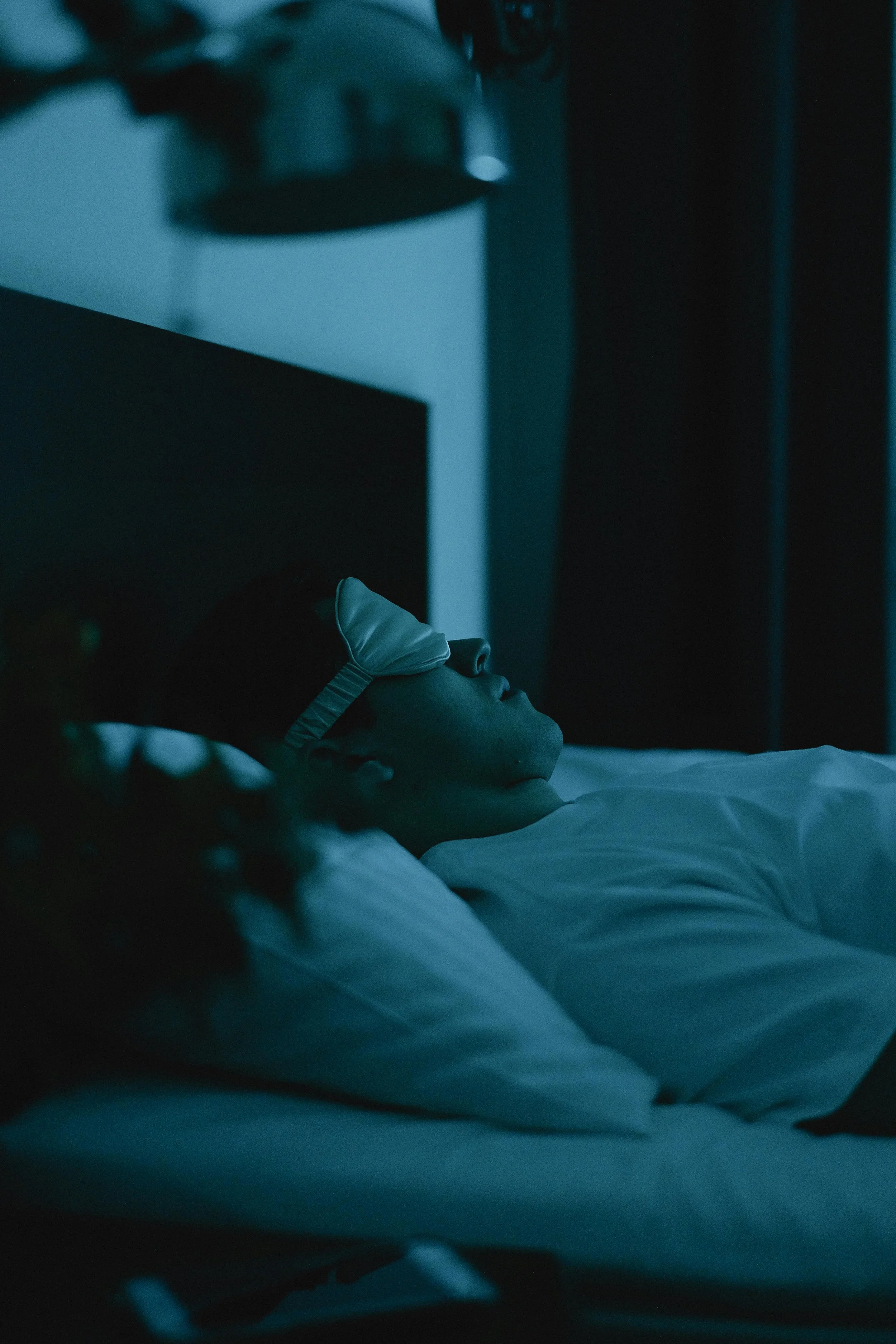
The best sleep device is often the missing piece when your mind refuses to slow down at night.
I learned this the hard way after months of tossing, turning, and checking the clock every hour.
Sleep wasn’t just inconsistent.
It felt impossible.
And like many people dealing with anxiety, my nights became louder than my days.
Why anxiety quietly destroys your sleep quality
An anxious brain doesn’t switch off just because the lights go out.
It replays conversations, creates worst-case scenarios, and keeps your nervous system stuck in overdrive.
That’s exactly what was happening to me.
Even when I was physically tired, my body stayed alert.
My heart rate felt elevated, my breathing shallow, and sleep felt out of reach.
This is where modern sleep tech started to make sense.
Not as a gimmick, but as a tool to regulate what your body can’t control on its own with the right best sleep device.
My turning point with sleep technology
I remember the first night I tried a sensory-based relaxation device.
I didn’t expect much.
I had already tried herbal teas, blackout curtains, and even guided meditation apps.
But this felt different.
Instead of forcing sleep, it focused on calming my nervous system.
The gentle vibrations synced with my breathing, and for the first time in weeks, my body felt safe enough to relax.
That night, I didn’t just fall asleep faster.
I stayed asleep.
And that changed everything.
How modern sleep aids actually work
Most people think sleep tools are just noise machines or wearables.
But the newer generation focuses on something deeper.
They target the vagus nerve, which plays a key role in calming the body.
When this system is activated, your body shifts from “fight or flight” to “rest and digest.”
That shift is critical for falling asleep naturally.
Instead of sedating your brain, these tools guide your body into a relaxed state.
That’s why they feel more natural and sustainable over time.
Signs you need a sleep support tool
Not everyone needs external help to sleep.
But if you notice certain patterns, it’s worth paying attention.
You struggle to fall asleep even when you’re exhausted.
You wake up in the middle of the night with racing thoughts.
Your sleep feels light, restless, or unrefreshing.
You rely on your phone or TV just to distract your mind enough to fall asleep.
I checked every single one of these boxes.
And ignoring them only made things worse.
What makes a sleep device actually effective
Not all sleep tools are created equal.
Some mask the problem instead of solving it.
From experience, the most effective ones focus on calming your body rather than distracting your mind.
Look for features that promote deep relaxation.
This includes rhythmic stimulation, sound therapy, or breath synchronization.
Consistency also matters.
If a device is uncomfortable or complicated, you won’t use it long enough to see results.
The best tools fit seamlessly into your routine.
Real-life impact after consistent use
After a few weeks of using a relaxation device regularly, I noticed subtle but powerful changes.
I stopped dreading bedtime.
My sleep became more predictable.
I woke up feeling clearer, not groggy.
Even my daytime anxiety felt more manageable.
It wasn’t a dramatic overnight transformation.
It was gradual, steady progress.
And that’s what made it feel real.
Breaking the cycle of poor sleep
Sleep anxiety creates a vicious loop.
The more you worry about not sleeping, the harder it becomes to fall asleep.
I used to lie in bed calculating how many hours I had left before morning.
That pressure made everything worse.
A structured sleep tool interrupts that loop.
It gives your mind something to trust.
Instead of forcing sleep, you allow it to happen.
Common mistakes people make when choosing sleep tools
One mistake I made early on was chasing quick fixes.
I tried anything that promised instant results.
Most of them didn’t work.
Some even made me more frustrated.
Another mistake is relying only on apps.
While helpful, they often don’t address the physical side of anxiety.
Sleep is not just mental.
It’s deeply physiological.
Creating a better nighttime routine
A sleep device works best when combined with simple habits.
You don’t need a complicated routine.
Just a few intentional changes.
Lower the lights an hour before bed.
Avoid screens or switch to night mode.
Give your body a signal that it’s time to wind down.
Pairing this with a calming tool amplifies the effect.
That’s when you start seeing consistent results.
The long-term benefits of better sleep
Once your sleep improves, everything else follows.
Your focus sharpens.
Your mood stabilizes.
Your energy levels become more consistent.
Even your decision-making improves.
I didn’t realize how much poor sleep was affecting my daily life until it changed.
It’s not just about feeling rested.
It’s about functioning better in every area.
Final thoughts on improving your sleep naturally
Finding the right solution takes trial and patience.
There’s no one-size-fits-all answer.
But if anxiety is at the root of your sleep issues, calming your nervous system is the key.
That’s where the right technology can make a real difference.
Not by replacing natural sleep, but by supporting it.
And once your body learns how to relax again, sleep becomes something you don’t have to chase anymore.