
The Night Shift Playbook: A Dad’s Guide To Stress-Free Bottle Feeding
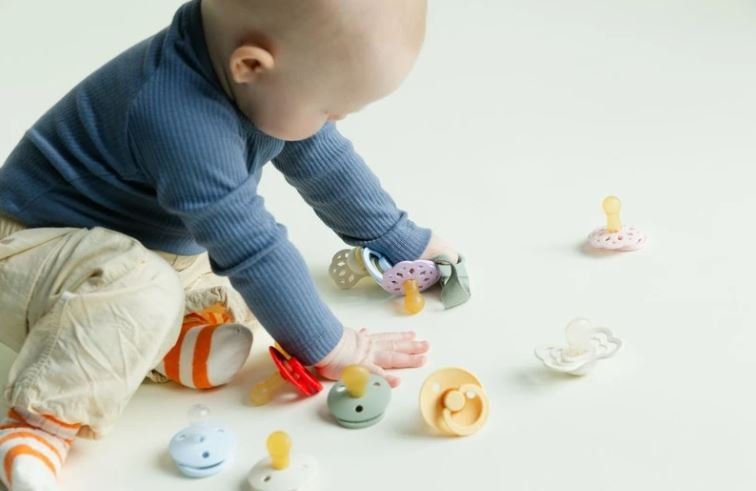
Taking over the 2 a.m. feed is one of the fastest ways for a new dad to bond with his baby while giving his partner a solid stretch of uninterrupted sleep. Still, fumbling around a dark kitchen with a crying newborn quickly teaches you that not all feeding gear is built equal. Looking through options like BIBS baby bottles highlights how thoughtful details — from wide necks for easy scooping to built-in anti-colic valves — can make late-night feeds run much smoother.
Setting Up Your Feeding Station Before Bed
The secret to an easy night feed happens before anyone goes to sleep. Trying to measure formula powder or assemble tiny parts while holding a hungry infant is a recipe for spills and frustration.
Set up a dedicated spot on the kitchen counter every evening with pre-measured water, clean bottles, burp cloths, and a bottle warmer if you use one. Keeping everything within arm's reach cuts prep time down to seconds so your baby settles back to sleep faster.
Glass vs. Lightweight Plastic: What Works Best for Dads?
Different situations call for different bottle materials, and having both in rotation covers all bases:
Borosilicate glass: Ideal for home use, glass handles rapid temperature changes well, never absorbs milk odors, and cleans up easily without scratching over time.
BPA-free polypropylene: Lighter and shatterproof, plastic makes sense when you are half-asleep at night or packing bottles into a backpack for a weekend outing.
Scandinavian brands like BIBS design both glass and lightweight polymer bottles with interchangeable nipples and protective accessories, allowing dads to switch between home and travel setups without changing the feel for the baby.
Mastering Paced Bottle Feeding and Hunger Cues
How you hold the bottle and knowing when to start or stop matters just as much as what is inside it. Babies who also breastfeed can easily become overwhelmed if milk flows too fast from a standard bottle, leading to gulping, gas, or spit-up.
Hold your baby in a semi-upright position and keep the bottle nearly horizontal, tilting it just enough to keep milk in the nipple tip. Watch for pauses when your baby stops sucking to breathe or rest, and let them set the pace. Learning to spot early hunger signs like rooting or hand-to-mouth movements, along with knowing when your baby is full, makes night feeds far calmer. Guides from KidsHealth by Nemours on formula feeding cues and amounts offer a helpful breakdown of what to look for at each stage. Pairing responsive feeding with a soft, round nipple and an anti-colic valve prevents air buildup and makes post-feed burping easier on your shoulder.
Keeping Cleaning and Prep Simple
Nobody wants a sink full of complicated bottle parts at the end of a long day. Look for designs with wide openings that fit a standard bottle brush easily and minimal components to take apart and wash.
Once you dial in a simple prep routine and find gear that feels comfortable in your hands, bottle duty stops feeling like a chore. Reliable staples like those from BIBS take the guesswork out of feeding time, leaving more room for quiet late-night moments that belong strictly to dad and baby.