Why Busy Professionals Are Choosing Gyrotonic Class Palo Alto For Body Balance
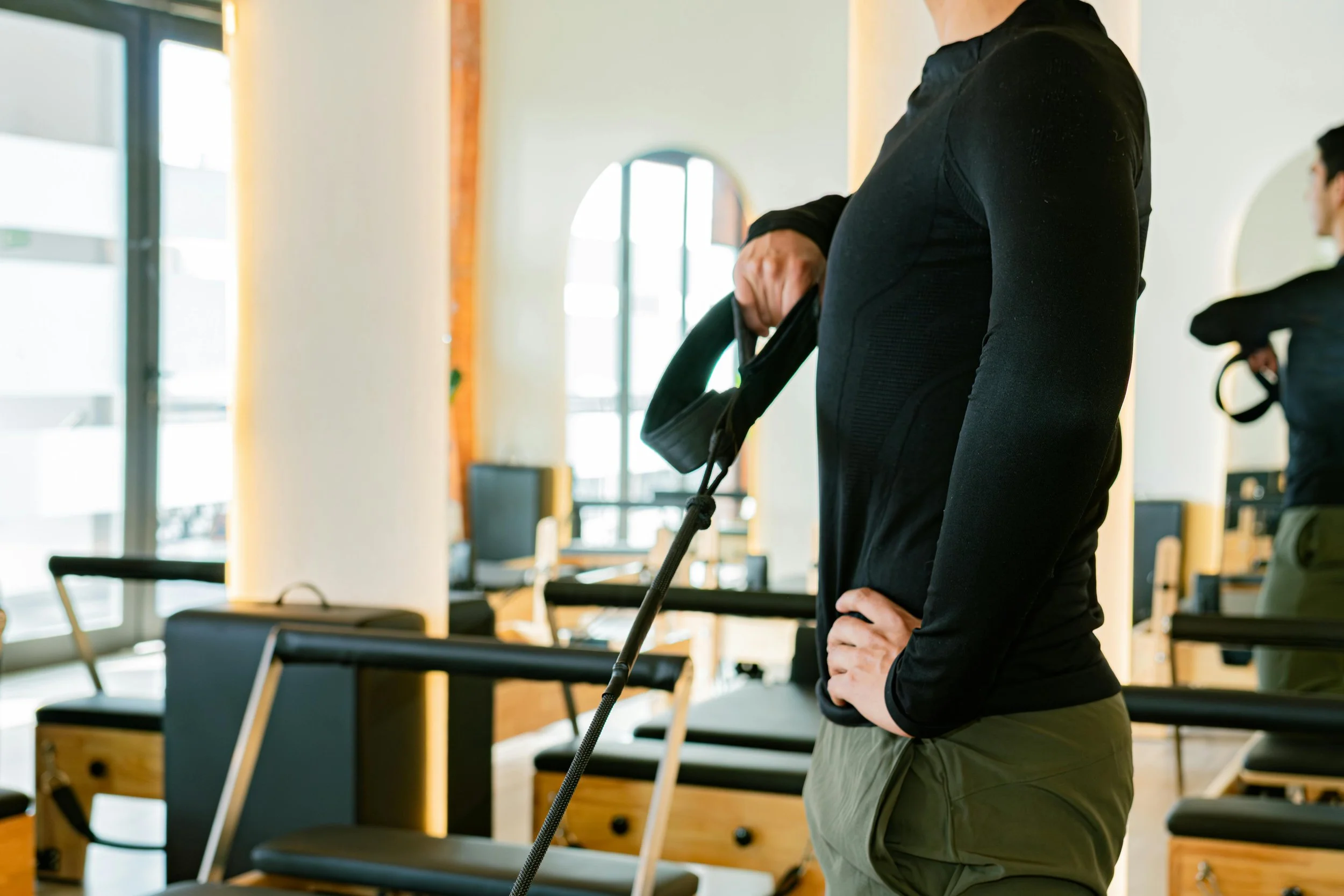
Gyrotonic class Palo Alto is becoming a smart choice for busy professionals who want strength, mobility, and stress relief without punishing their bodies.
Long workdays can make your neck tight, your hips stiff, and your back feel locked.
That is where mindful movement can help.
Many people walk into their first session thinking they just need a workout.
Then they realize they also need better posture, smoother movement, and a way to breathe again.
A gyrotonic class palo alto session can feel different from a standard gym routine because it focuses on circular motion, spinal mobility, breath, and control.
Why Professionals Feel So Stiff
Sitting at a desk for eight hours does more than make you tired.
It trains your body to stay folded forward.
Your shoulders round.
Your hips tighten.
Your lower back works too hard.
Your breathing becomes shallow.
One Palo Alto professional might spend the morning in meetings, grab lunch at the desk, answer emails until evening, and then wonder why stretching for five minutes does not fix the problem.
The issue is not just tight muscles.
It is repeated movement patterns.
Your body gets good at what you ask it to do every day.
If you ask it to sit, slump, and rush, it adapts.
What Makes Gyrotonic Movement Different
Gyrotonic exercise uses flowing, circular movements instead of stiff, straight-line motions.
The goal is not to force your body into shape.
The goal is to help your joints, spine, and muscles move together again.
Movements often include arching, curling, twisting, spiraling, and reaching.
These patterns can feel natural because they match how the body moves in real life.
You do not walk, reach, turn, or bend in perfect straight lines.
Your body moves in curves.
That is why this method can feel smooth, smart, and surprisingly refreshing.
A Better Fit for Busy Schedules
Busy professionals need workouts that give results without draining them.
A high-impact class may burn calories, but it can also leave the body sore, tense, or exhausted.
Gyrotonic training takes a different approach.
It builds strength through control.
It improves mobility through repetition.
It supports posture through awareness.
A person who spends all day on calls may leave class feeling taller, lighter, and more connected to their body.
That kind of change matters when your schedule is already full.
The Posture Problem No One Talks About
Poor posture is not just about how you look.
It can affect breathing, focus, mood, and daily comfort.
When your chest collapses forward, your lungs have less room to expand.
When your head shifts forward, your neck and shoulders carry more load.
When your hips stay tight, your lower back often pays the price.
A movement class that focuses on spinal alignment and core support can help undo some of that strain.
Over time, people often notice small but meaningful changes.
They sit taller.
They walk with less stiffness.
They feel more balanced when moving through the day.
Real-Life Example: The Desk Worker Reset
Imagine someone who works in tech and spends most of the day switching between Zoom calls, spreadsheets, and Slack messages.
By 4 p.m., their shoulders feel like concrete.
Their lower back feels tight.
Their mind feels busy, but their body feels stuck.
During a Gyrotonic-inspired session, they start with simple spinal movements.
They breathe with each motion.
They move their arms in wide circles.
They rotate through the ribs instead of forcing the lower back.
At first, the movement feels unfamiliar.
After a few rounds, the body starts to loosen.
By the end, they are not just stretched.
They feel reorganized.
Strength Without the Strain
Many people think strength training has to feel aggressive.
It does not.
Controlled resistance can build deep strength without harsh impact.
Gyrotonic work often targets the core, back, hips, shoulders, and legs in connected patterns.
That makes it useful for people who want functional strength.
Functional strength means strength you can use outside the studio.
It helps when you lift a suitcase.
It helps when you carry groceries.
It helps when you sit, stand, walk, bend, and rotate.
This is not about chasing soreness.
It is about building a body that works better.
Better Mobility for Everyday Life
Mobility is not the same as flexibility.
Flexibility is how far a muscle can stretch.
Mobility is how well you can control movement through a range of motion.
That difference matters.
A person may be able to touch their toes but still move poorly through the hips or spine.
Gyrotonic movement supports joint mobility by encouraging smooth, active motion.
The spine gets attention.
The shoulders get space.
The hips learn to move with less gripping.
For professionals who feel stiff from long hours indoors, this can be a major benefit.
Breath Changes Everything
Breath is a big part of this style of movement.
That may sound simple, but it changes the whole experience.
When you breathe deeply, your body often softens.
When you pair breath with movement, you become more aware of tension.
You notice when you are forcing.
You notice when one side feels different from the other.
You notice where your body is holding stress.
This makes the class feel part workout, part reset.
For people who live in high-pressure work environments, that combination can be powerful.
Why Body Balance Matters
Body balance is not only about standing on one leg.
It is about how your whole body shares effort.
If your shoulders are tight, your neck may overwork.
If your hips are locked, your back may compensate.
If your core is weak, your posture may collapse.
A balanced body moves with less wasted effort.
That can make daily life feel easier.
You may not notice the change all at once.
You may notice it when your back does not ache after a long drive.
You may notice it when your walk feels smoother.
You may notice it when you finish the workday with more energy left.
Who Can Benefit Most
This type of movement can work well for professionals, parents, dancers, athletes, and active adults.
It can also appeal to people who feel bored with traditional workouts.
If you dislike loud gyms or rushed fitness classes, this can feel more focused.
If you want to move better without beating up your joints, it may be a good fit.
If you are recovering from stiffness, stress, or poor posture habits, it can help you reconnect with your body.
The best part is that you do not need to be flexible before starting.
You just need to be willing to move with attention.
What to Expect in a Session
A session usually feels calm but active.
You may begin with breath and gentle spinal movement.
Then you may move into exercises that involve reaching, curling, twisting, and opening the body.
The pace is usually controlled.
The instructor may guide your alignment, timing, and breathing.
You may feel muscles working in places you usually ignore.
That includes the deep core, inner thighs, upper back, and muscles around the spine.
The next day, you may feel aware of your body rather than painfully sore.
Why Palo Alto Professionals Are Paying Attention
Palo Alto has a work culture built around ambition, innovation, and long hours.
That kind of environment can be exciting, but it can also be hard on the body.
People are looking for smarter ways to stay healthy.
They want movement that supports focus, posture, energy, and longevity.
They want something that fits a demanding lifestyle.
That is why this practice is gaining attention among people who want more than another quick fitness trend.
Final Thoughts
Modern work asks a lot from the mind, but it often ignores the body.
That imbalance shows up as stiffness, stress, poor posture, and low energy.
Gyrotonic-style movement offers a practical way to rebuild connection, strength, and ease.
It helps busy professionals move with more freedom instead of more force.
For anyone who feels stuck at a desk, tight from stress, or disconnected from their body, this kind of class can be a refreshing place to start.